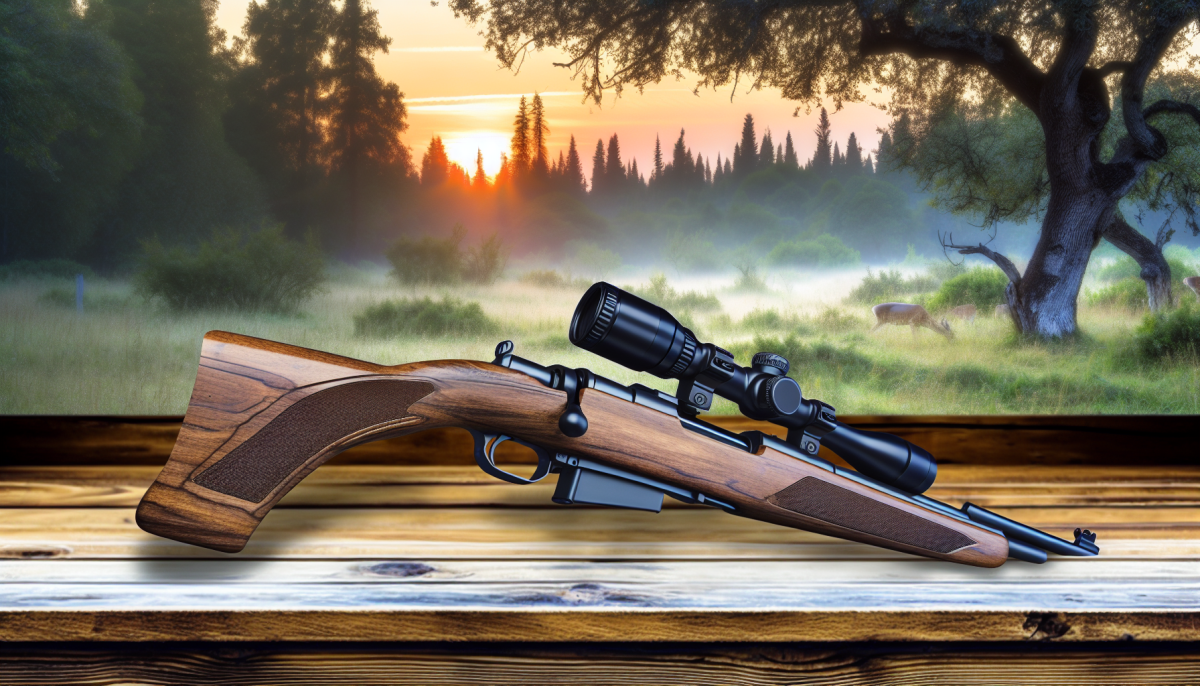
Understanding your gun is super important for safety and accuracy. Get familiar with every part of your firearm, from the barrel to the trigger. Each component plays a role in how your gun operates. Knowing how everything works helps you troubleshoot issues and ensures you're handling it correctly.
Take some time to read the owner's manual. It’s packed with information specific to your model. Learning about different functions, safety features, and loading steps can make a huge difference. Don’t skip this step! If you’re not sure about something, there are tons of resources online or at your local gun shop that can help you out.
Practice regular maintenance. Cleaning your gun is essential for performance and longevity. Dust, dirt, and moisture can affect how well it works. Set up a cleaning routine after every use or at least once every few months. You’ll keep it in top shape and make sure it’s ready for your next hunt.
Finally, don’t hesitate to practice. Spend time at the range getting comfortable with your firearm. The more you shoot, the better you’ll understand how it handles. Remember, safety is key, so focus on your form and be mindful of your surroundings. This hands-on experience is what really builds confidence with your gun.
Choose the Right Ammunition
Choosing the right ammunition is a big deal when it comes to hunting. It can make a world of difference in your performance, so let’s make sure you’re well-informed.
First off, think about what you're hunting. Different game requires different ammo. If you’re after small game like rabbits or squirrels, lighter rounds like .22LR work well. For bigger animals like deer, you’ll want something heavier, like a .308 Winchester or .30-06 Springfield. Know your target so you can choose the right caliber.
Next, consider the type of bullet. There are several options, including soft point, hollow point, and full metal jacket. Soft point bullets expand upon impact, creating a larger wound channel and helping take down your game more efficiently. Hollow points are great for less meat damage but are more suited for self-defense. Full metal jackets are typically used for practice since they penetrate deeply and usually pass straight through the target without expanding.
Don’t forget about the weather and terrain. If you’re hunting in varied conditions, going with a bonded bullet can be a smart choice. These bullets resist fragmentation and can perform well even against tough hides or bone. And if the environment is prone to rain or snow, look for ammo that’s waterproof or has a polymer tip to maintain accuracy.
Finally, always test your ammo before heading out. Take the time to shoot different types from your rifle to see what works best. Not all guns shoot every round well, so find the combo that groups tight and feels right for you.
Check Your Surroundings Before Shooting
Before you start hunting, take a moment to check your surroundings. It's super important for your safety and the safety of others. Look around to see if there are other hunters, hikers, or any animals nearby. You don’t want to be caught off guard.
Scan the area for specific things like bushes or trees that might obstruct your shot. Plan your positioning, so you’re not accidentally aiming toward a trail or a cabin. If you notice movement or sounds, take a step back and reassess. It’s better to wait a moment than to rush into a shot that could lead to trouble.
Think about the backdrop of your shot too. What’s behind your target? A clear backdrop is essential. If you're hunting in heavy woods, for example, make sure that if you miss, the bullet has a safe place to go. This simple check can keep everyone safe, including you.
Remember to also keep an ear out for any voices or sounds in the distance. Sometimes, other hunters might be talking or moving around. If you hear something, it's wise to pause and make sure you know what's going on before firing your weapon.
Practice Safe Handling Every Time
When you're out in the field with your hunting gun, safety should always be your top priority. Handling your firearm the right way can keep you and your fellow hunters safe. Here are some easy tips to follow every time you head out.
First off, always treat your gun like it's loaded, even if you believe it’s not. This mindset keeps you vigilant and prevents accidents. Keep your finger off the trigger until you’re ready to shoot. This simple habit can help you avoid unintentional discharges.
Next, keep your muzzle pointed in a safe direction. This means never pointing your gun at anything you're not willing to shoot. A safe direction is usually towards the ground or downrange, where you won’t endanger anyone. Make sure you have a clear field of fire and know what’s behind your target.
Finally, always wear eye and ear protection. They’re just as important as your hunting gear. Gunshots can do serious damage to your hearing or eyesight, and a good pair of earmuffs or shooting glasses can save you a lot of pain later on. Don't overlook this—they’re essential!